
MSW student supports boys in foster care at a Florida group home
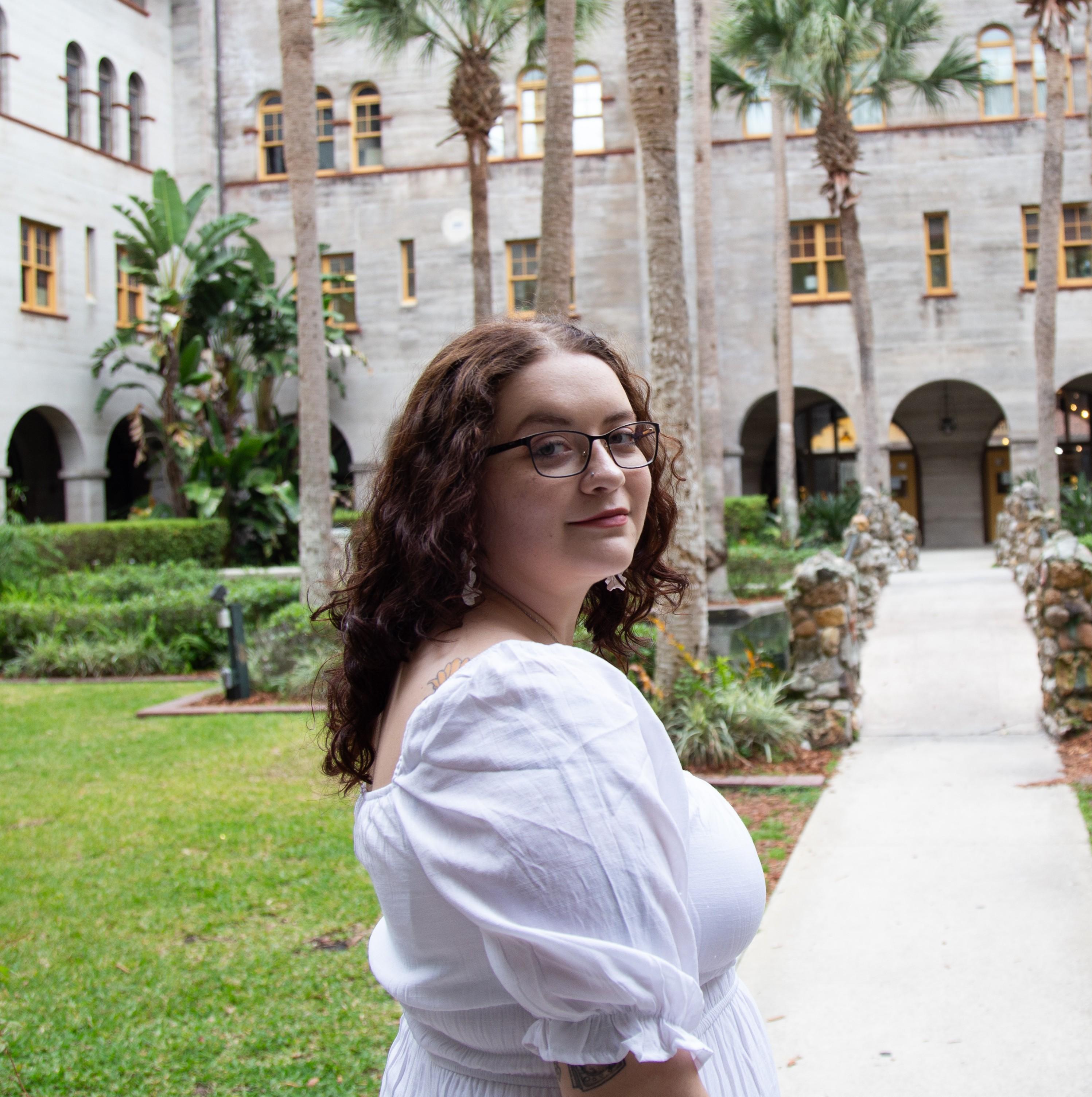
Before September Boyer decided to pursue their Master of Social Work (MSW) at Tulane, they were a preschool teacher. “Children are the heart and soul of my work and fulfillment in life and I cannot imagine working with many other populations,” Boyer said. “Children are not able to navigate this world on their own, and it is incredibly important to me to be someone that can help advocate for children who have no other safe adults in their lives.”
That commitment to youth welfare led Boyer to complete their MSW practicum placement at St. Augustine Youth Services, a non-profit that provides therapeutic services to at-risk youth in Florida through residential group homes, outpatient programs, and a mobile crisis response team.
At the residential facilities, where Boyer works, children attend two individual therapy sessions, two social skills trainings, and one group therapy session per week, in addition to school. “It is an intensive therapeutic environment designed to help children be successful in less restrictive foster placements,” Boyer said.
I spent a lot of time doing therapy that looked like playing sports, but I also did a lot of therapy that looked like imaginative play and sand tray!
September Boyer
During their practicum placement, Boyer worked with boys aged 7-17 in the foster care system with mental health diagnoses. They credit Professor Ked Dixon’s Clinical Work with Children and Adolescents course for teaching many of the therapeutic intervention techniques they use daily.
“I spent a lot of time doing therapy that looked like playing sports,” said Boyer, “but I also did a lot of therapy that looked like imaginative play and sand tray! Each day was truly unique and exciting, and all the kids came to recognize and trust me in such a special way that you can only experience working in a residential facility.”
Boyer, who completed their degree in May, now works full-time at St. Augustine Youth Services as a Youth Care Worker. In the role, they will continue to create a safe environment, provide individual and group therapeutic interventions, support trauma recovery and resilience, correct developmental gaps, and help build the social-emotional skills young people need to become well-rounded adults.
“Children are our future,” Boyer said. “They need more support than we could ever provide. As social workers, I encourage everyone to try to work with kids at least once. It is so difficult, but so rewarding, and I can’t explain how amazing it is to see progress unfold right in front of you as they grow and develop.”
